Got a question?
Speak to our team about Sustainable Transport and Logistics
We will respond as soon as possible.

Reduce emissions across your logistics network with Maritime ZERO, integrating eHGVs, UK-wide charging, and rail-connected operations.
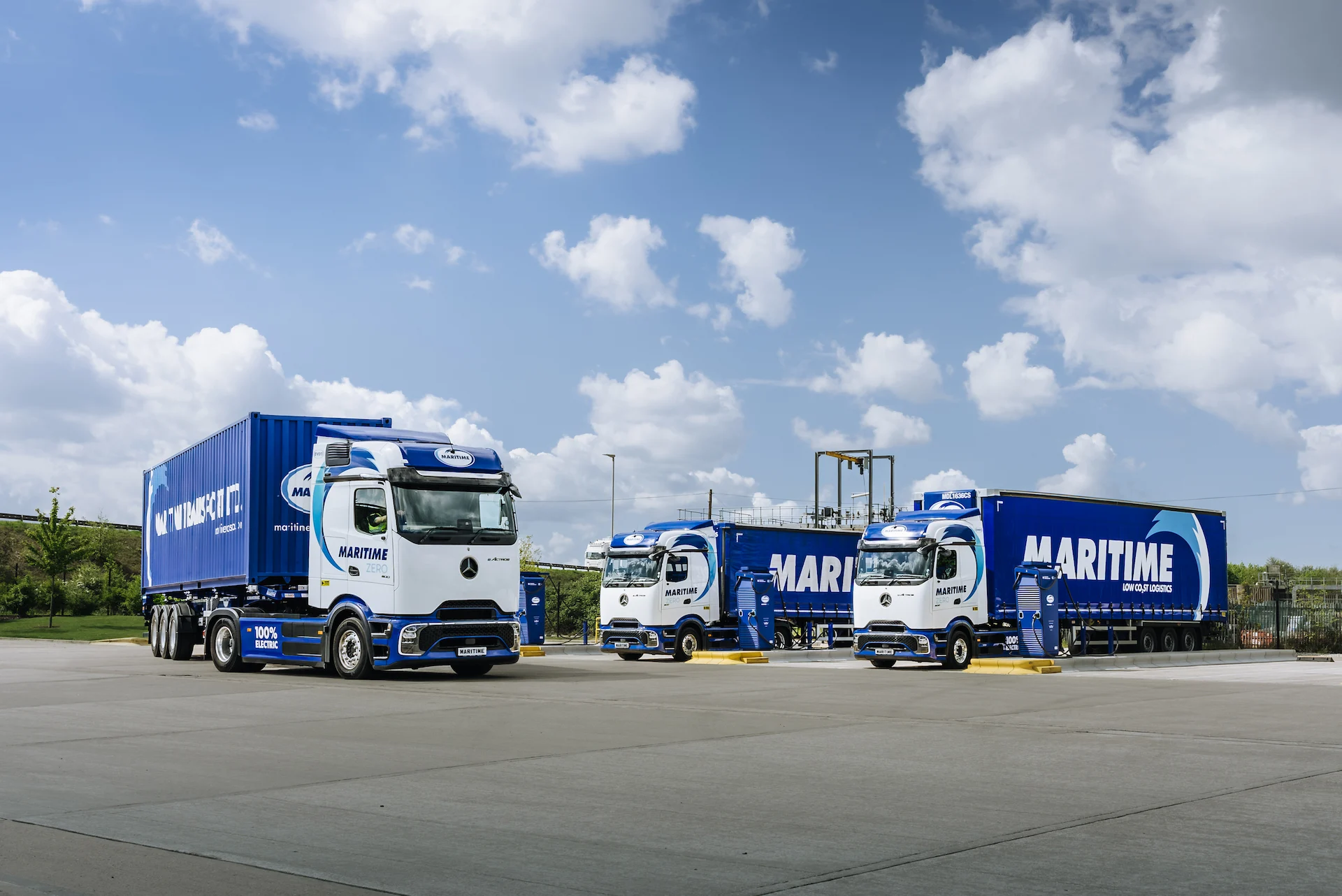
Reducing supply chain emissions requires infrastructure on a national scale, built to support low-carbon and zero-emission transport in real-world operations. Maritime ZERO provides that capability, bringing eHGVs into your logistics network together with high-powered charging at our depots and rail-connected terminals nationwide.
Third-party charging access at selected sites for approved partners
Average range of 300-500km per charge, suited to regional and first/final-mile movements
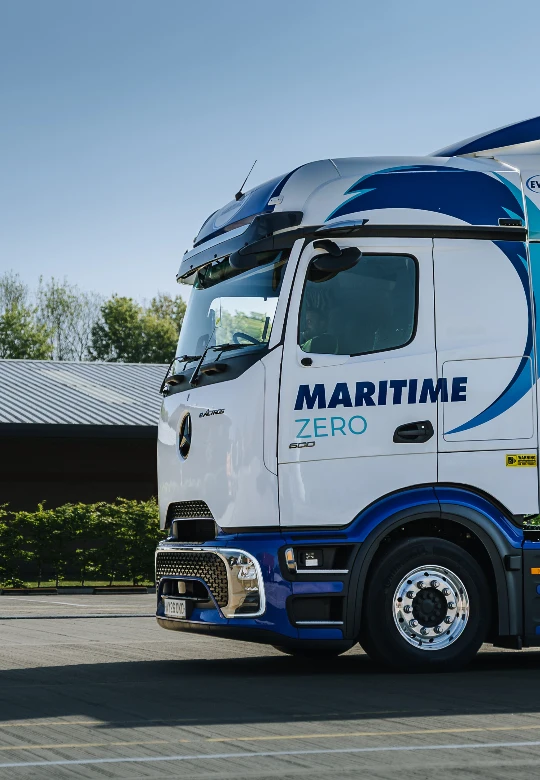
eHGVs available for dedicated contracts with consistent route profiles
Integrated with rail to reduce road mileage and overall emissions
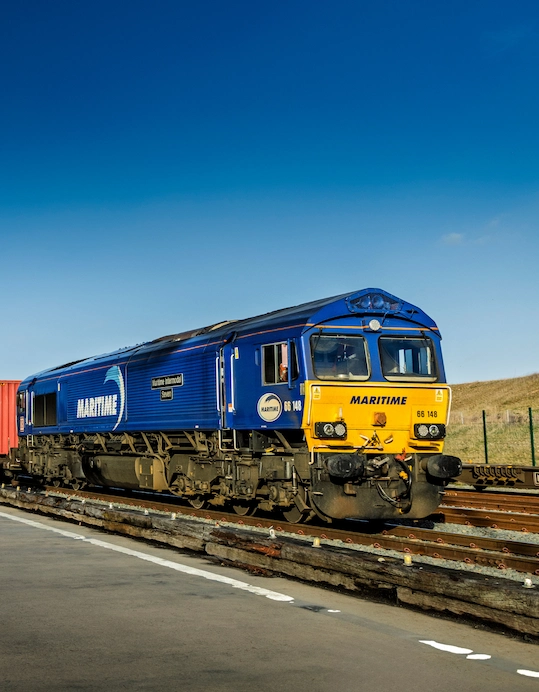
100% renewable electricity supply across all charging sites
eHGVs from leading manufacturers: DAF, Mercedes-Benz, Volvo, Renault, and Scania
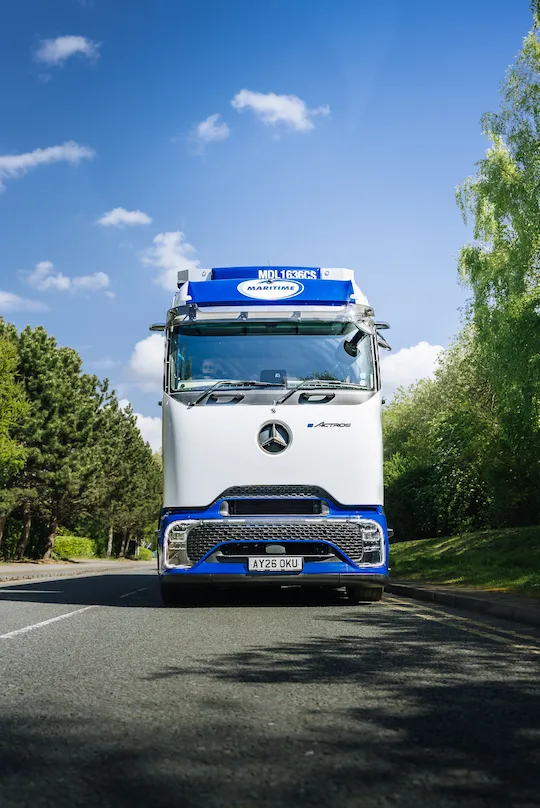
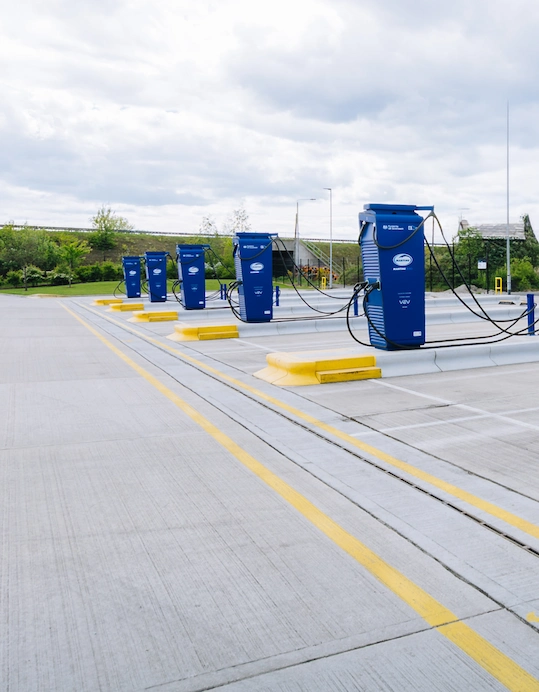
National charging network at strategic depots and rail-connected sites
GLEC-aligned carbon measurement and reporting for transparent emissions data
An overview of our typical delivery process for zero-emission road transport, showing how this solution is managed end-to-end. If your requirements fall outside this process, our team can advise on the most appropriate setup.
We will respond as soon as possible.
Maritime ZERO combines national road and rail capability with the infrastructure and operating model required to deliver zero-emission road transport as a practical, commercial logistics solution.
.webp)

Maritime ZERO operates eHGVs across live intermodal and distribution routes, capturing real-world data on range, charging cycles, and performance to demonstrate commercial viability in day-to-day logistics operations.

Our hub-and-spoke model uses rail for long-distance movements and eHGVs for first and final miles, reducing diesel journeys, cutting emissions, and maintaining reliable end-to-end service performance.

Maritime ZERO applies the right solution in the right place, combining eHGVs, rail, HVO, and smarter route planning to reduce emissions where each delivers the greatest operational and commercial value.

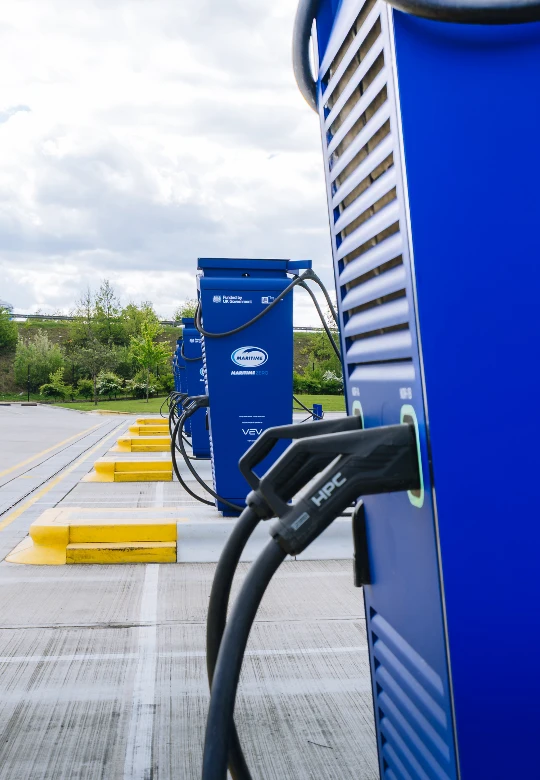
Our independent charging network powers the deployment of eHGVs across live logistics operations, providing capacity for over 200 vehicles and up to 1MW per charger.

Delivered through Maritime Transport’s already-established road, rail, and terminal operations, Maritime ZERO operates within a proven national logistics network, allowing zero-emission transport to run alongside existing supply chains.

Through participation in industry and government-backed schemes, Maritime ZERO works closely with public and private sector partners to inform future zero-emission freight policy, investment, and infrastructure development.
Maritime ZERO is involved in a number of national projects and funding-backed initiatives accelerating the transition to zero-emission road freight, including:
Through these programmes, we’re deploying eHGVs nationally, expanding depot charging infrastructure, and contributing operational insight into charging demand and grid requirements. We are also working with Freeport partners on grant-funded infrastructure projects, including commercial vehicle charging and other decarbonisation initiatives.
Maritime ZERO is our dedicated division for zero-emission road transport, combining eHGVs with one of the UK’s largest independent charging networks. Integrated with our rail freight operations, Maritime ZERO supports the transition to a cleaner, more sustainable UK supply chain by reducing emissions where electric operations are commercially and operationally viable. The division continues to expand its national charging and operational footprint, strengthening our wider sustainability strategy and providing a practical pathway to lower-carbon logistics.