Got a question?
Speak to our team about Rail Freight
We will respond as soon as possible.

Low-carbon UK rail freight delivered through a national terminal network and daily services, with integrated road and storage operations.
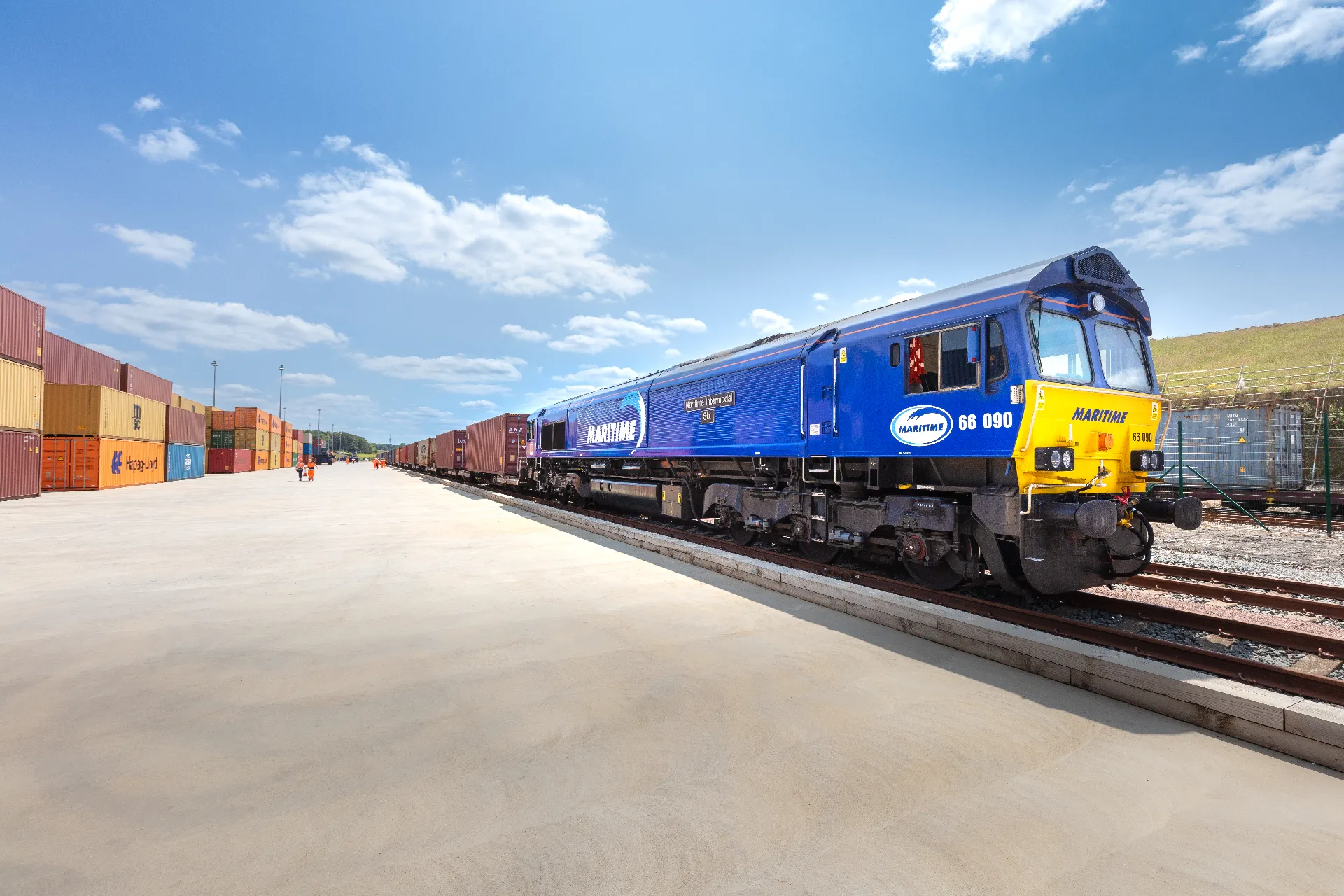
We’re driving long-term modal shift through continuous investment in rail freight infrastructure, services, and capability. Rail produces significantly fewer emissions than road and removes thousands of HGV journeys from the UK’s busiest routes, offering a cleaner, more efficient solution for long-distance movements.
Nine open-access, multi-user rail terminals
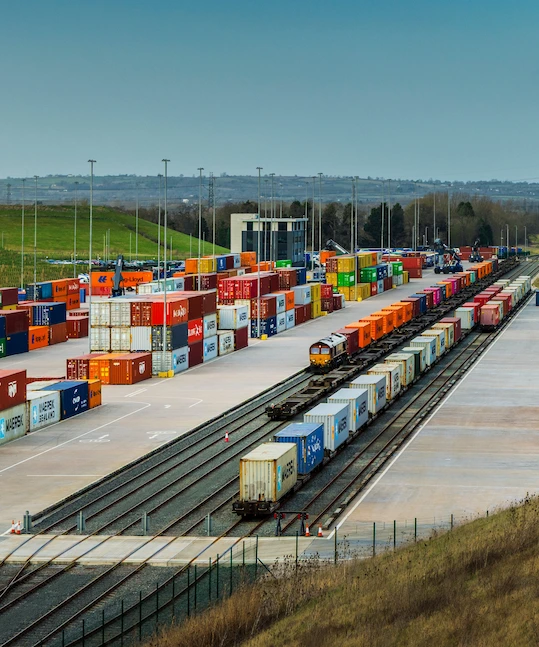
50+ daily rail services connecting major ports, industrial areas, and inland terminals
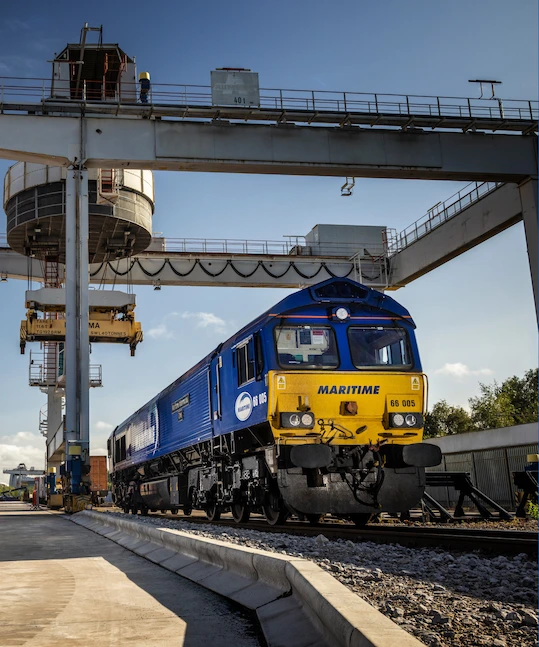
Network-wide loaded and empty container storage and M&R facilities
Infrastructure designed for the UK’s longest and heaviest freight trains
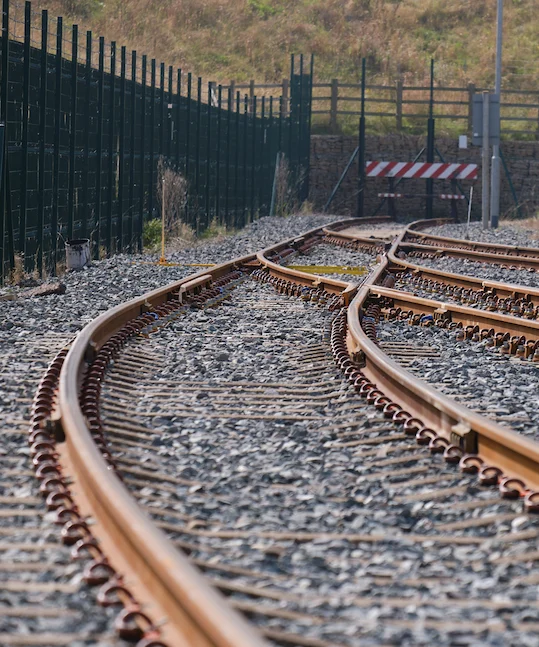
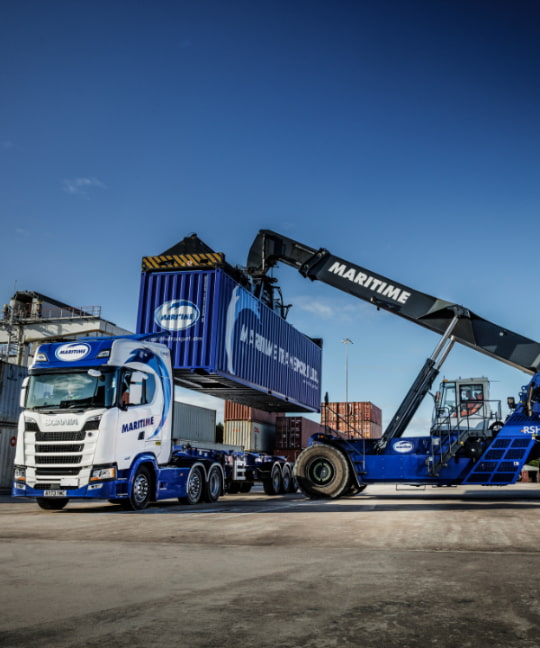
120+ handling machines including ECHs, FLTs, gantry cranes, reach stackers, and straddle carriers
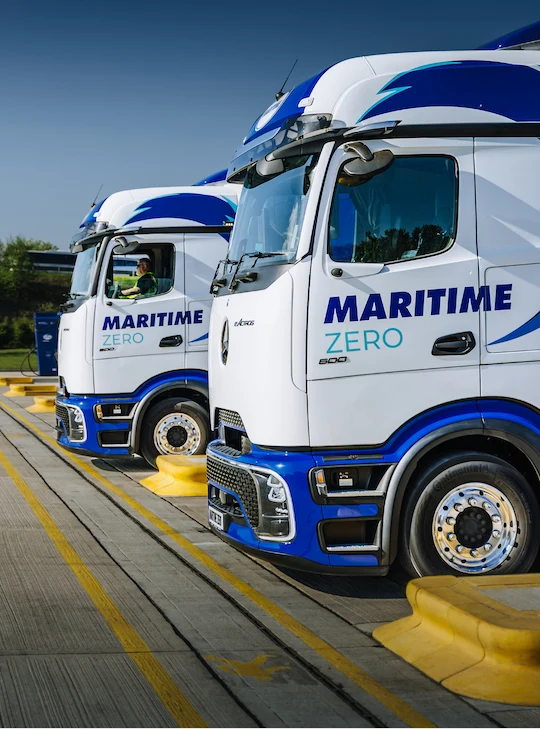
Integrated road fleets for first and final miles including eHGVs and charging infrastructure
Flexible contract models across dedicated and shared-use services
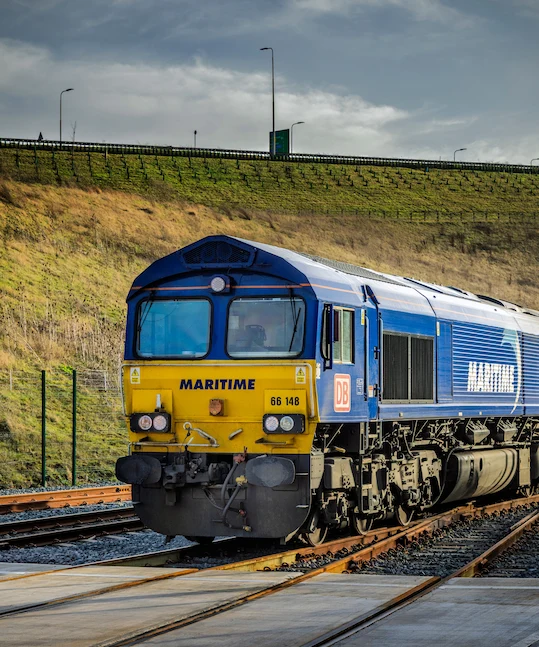
24/7 terminal teams ensuring round-the-clock support
An overview of our typical delivery process for rail freight, showing how this solution is managed end-to-end. If your requirements fall outside this process, our team can advise on the most appropriate setup.
We will respond as soon as possible.
With integrated road, rail, and container terminal operations, Maritime provides a single, connected logistics network that delivers reliable, low-carbon transport across the UK.
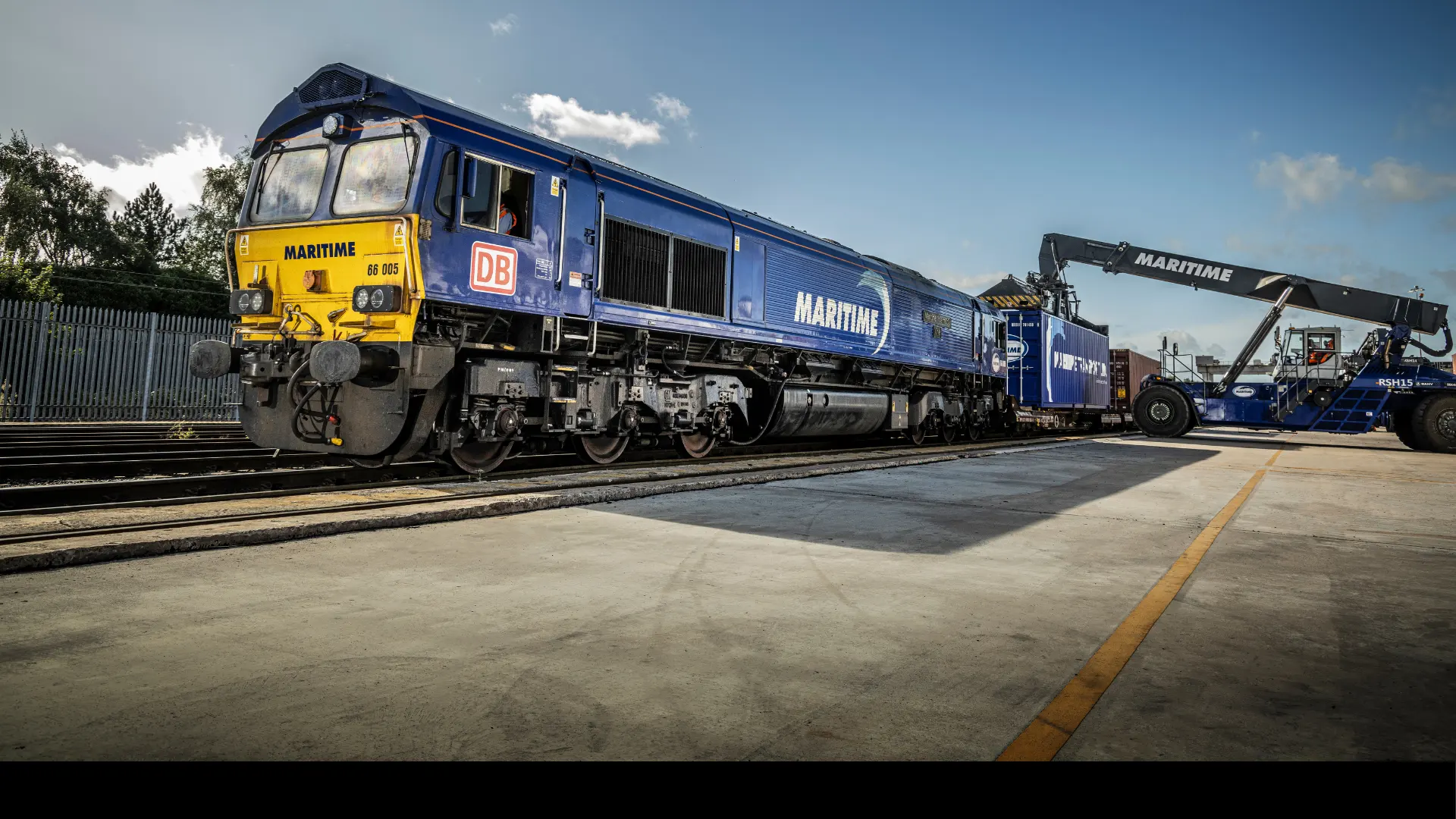

One of the UK’s largest intermodal rail operators, with a long-standing and growing presence across domestic and containerised rail freight, trusted by ports, shipping lines and logistics partners nationwide.

Nine strategically located, open-access, multi-user terminals, with over 50 daily rail services connecting major ports, inland markets, and industrial locations across the UK.

All our rail terminals have their own dedicated vehicle fleets, enabling direct transfer between rail and road without third-party reliance, improving efficiency, reducing handling time, and maintaining service continuity across the network.

Rail freight produces up to 76% fewer CO2 emissions per tonne-kilometre than transporting the same load by road. Our continued investment in rail expansion, eHGVs, and emissions reporting supports long-term carbon reduction across end-to-end supply chains.

Our rail services are monitored in real time through CYMAN and TOPS. These systems record every stage of a container’s journey, from arrival to final delivery, providing live ETAs and service updates.

Continued investment in rail infrastructure, equipment, and technology strengthens long-term capacity, network resilience, and service reliability across our intermodal rail operations.

Major projects, including our newest 17-acre rail terminal at Northampton Gateway, are increasing national rail capacity and unlocking additional paths, services, and future growth across the UK rail network.
DP World’s Modal Shift Programme was introduced to increase the financial attractiveness of rail for loaded import containers moving inland from Southampton. We operate several rail terminals within the programme’s incentive zone, creating more opportunities for containers arriving at Southampton to move inland by rail:
To strengthen its role within UK supply chains, we’ve expanded our rail terminal footprint to nine open-access, multi-user sites nationwide. Our rail operations handle both domestic and containerised cargo across a wide range of sectors spanning manufacturing, retail, FMCG, and contract logistics, with integrated storage, flexible contract models, and first and final-mile fleets to meet all your operational needs.